

Compare Diatomaceous Earth Bath Mats by Size, Style, and Drying
A diatomaceous earth bath mat dries in about 30 seconds, while a cotton bath mat can stay damp for three to four hours after a shower. That speed comes from the stone itself, which pulls water into thousands of tiny pores and lets it evaporate instead of soaking in and sitting there. Natureva makes three versions of this same stone mat: Tide, Arch, and Rain. All three use the same diatomite material and dry at the same rate, so the differences come down to the surface pattern cut into the stone and how it feels under bare feet.
Picking between them is really a style and size decision, not a performance one. Tide has a wave-like ridge pattern, Arch uses a rounded, architectural line, and Rain has a fine dotted texture that feels slightly different underfoot when wet. Each one is priced at 59 USD, so cost won't settle the choice for you. What matters more is matching the mat's footprint to your bathroom floor space and picking a texture that feels right when you step out of the shower.
Table of Contents
What Diatomite Does That Cotton Can't
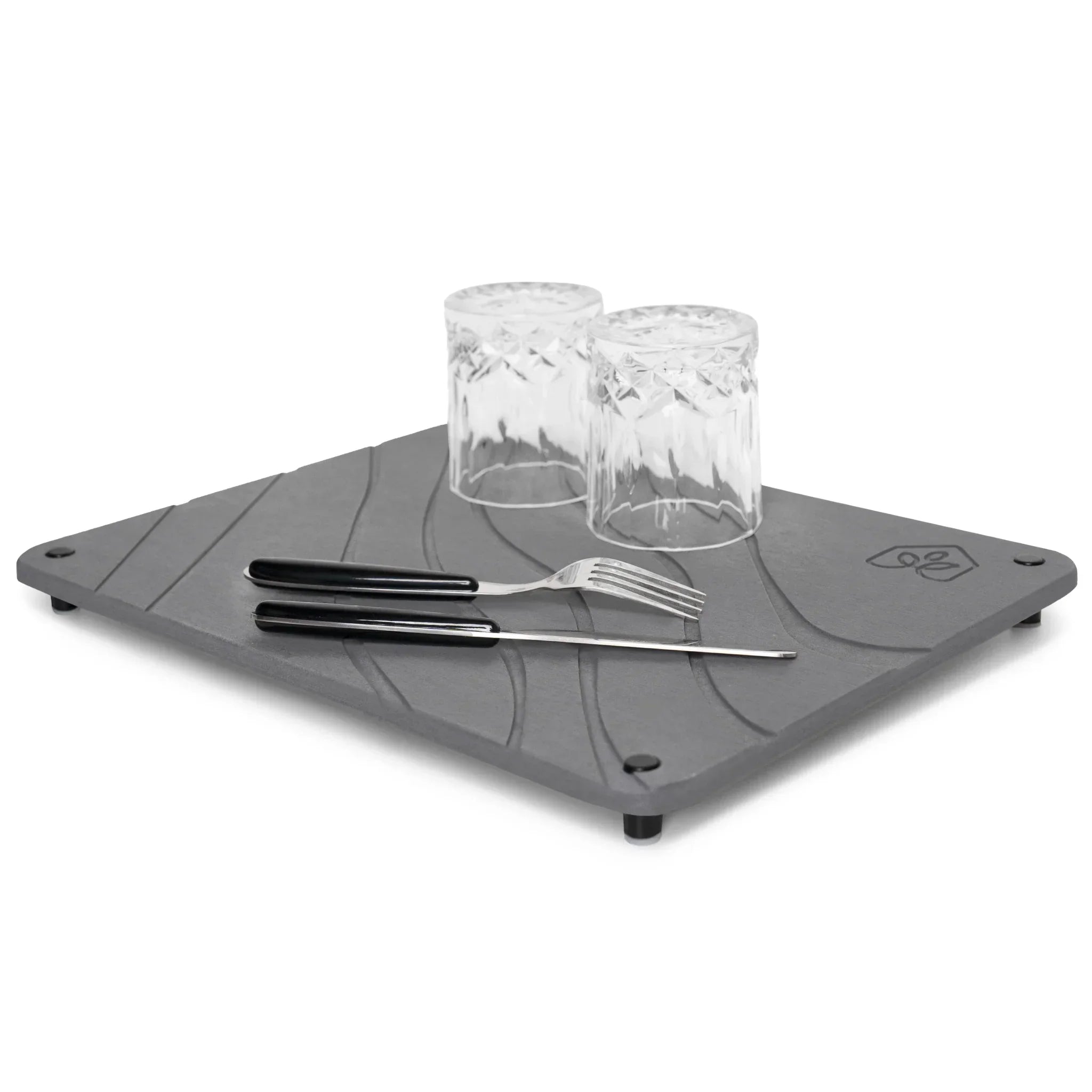
Diatomite is made from fossilized algae shells called diatoms, and each one is packed with microscopic pores. Those pores give the stone a huge surface area, so water molecules get pulled inward through capillary action instead of just sitting on top. That's a different process than absorption in cloth, which traps water between fibers rather than drawing it into a structure.
Stone Bath Mat - Tide
Cotton fibers hold onto moisture because they swell and lock water between the threads, and that trapped water has nowhere to go but slow evaporation. Three to four hours of damp fabric gives bacteria and mold spores a window to grow, which is where musty bath mat smells come from. A diatomite bath mat skips that window because the pores release moisture back into the air almost as fast as they take it in.
| Material | Dry Time | Mold Risk | Typical Lifespan |
|---|---|---|---|
| Diatomite stone | ~30 seconds | Low | 5+ years |
| Cotton | 3-4 hours | High | 1-2 years |
| Microfiber | 1-2 hours | Moderate | 2-3 years |
Meet the Tide, Arch, and Rain Mats
Three stone bath mats make up this comparison: Tide, Arch, and Rain. Each one uses the same diatomite core, so the stone itself behaves the same way in every version. The only real difference is the pattern pressed into the surface, which changes how the mat looks and feels underfoot.
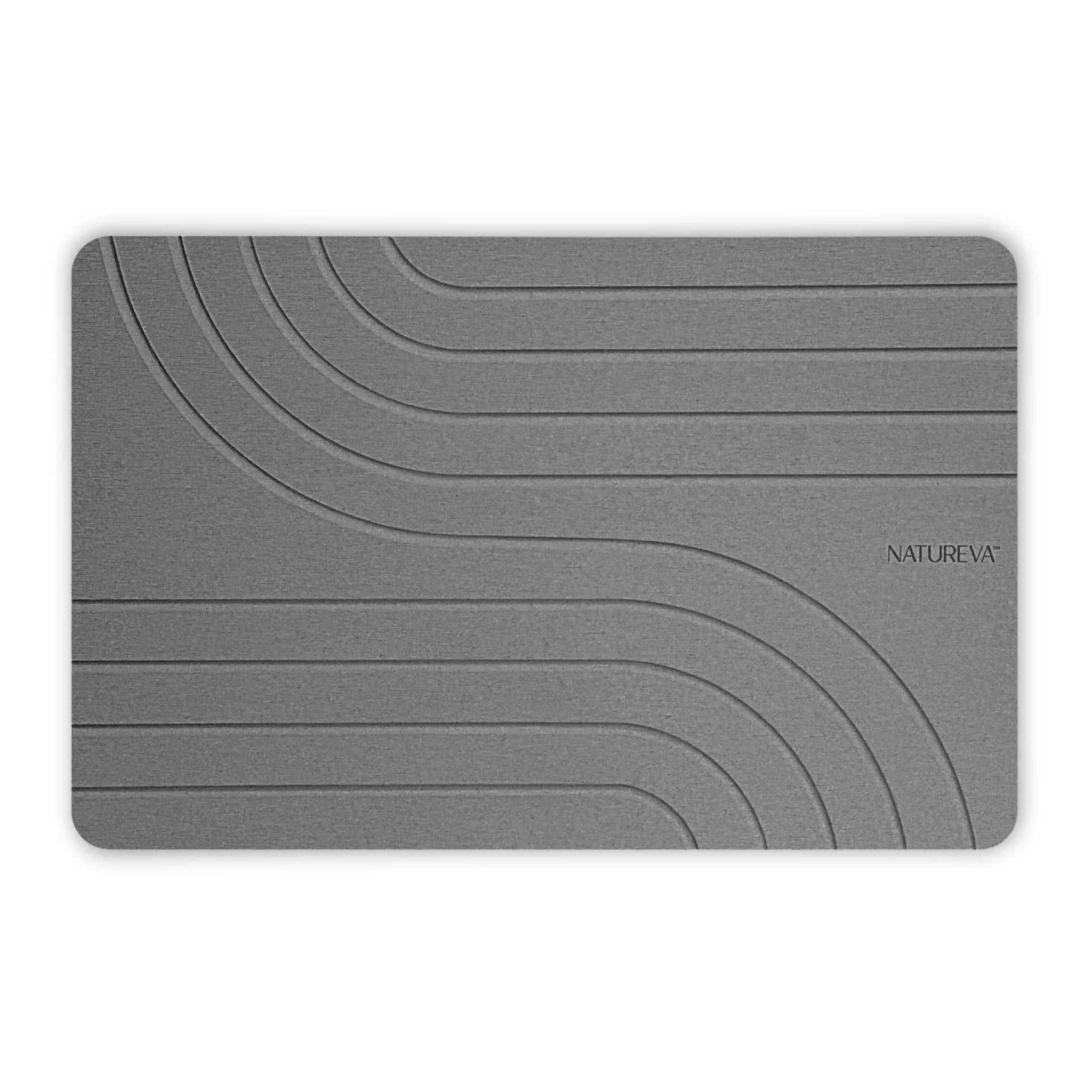
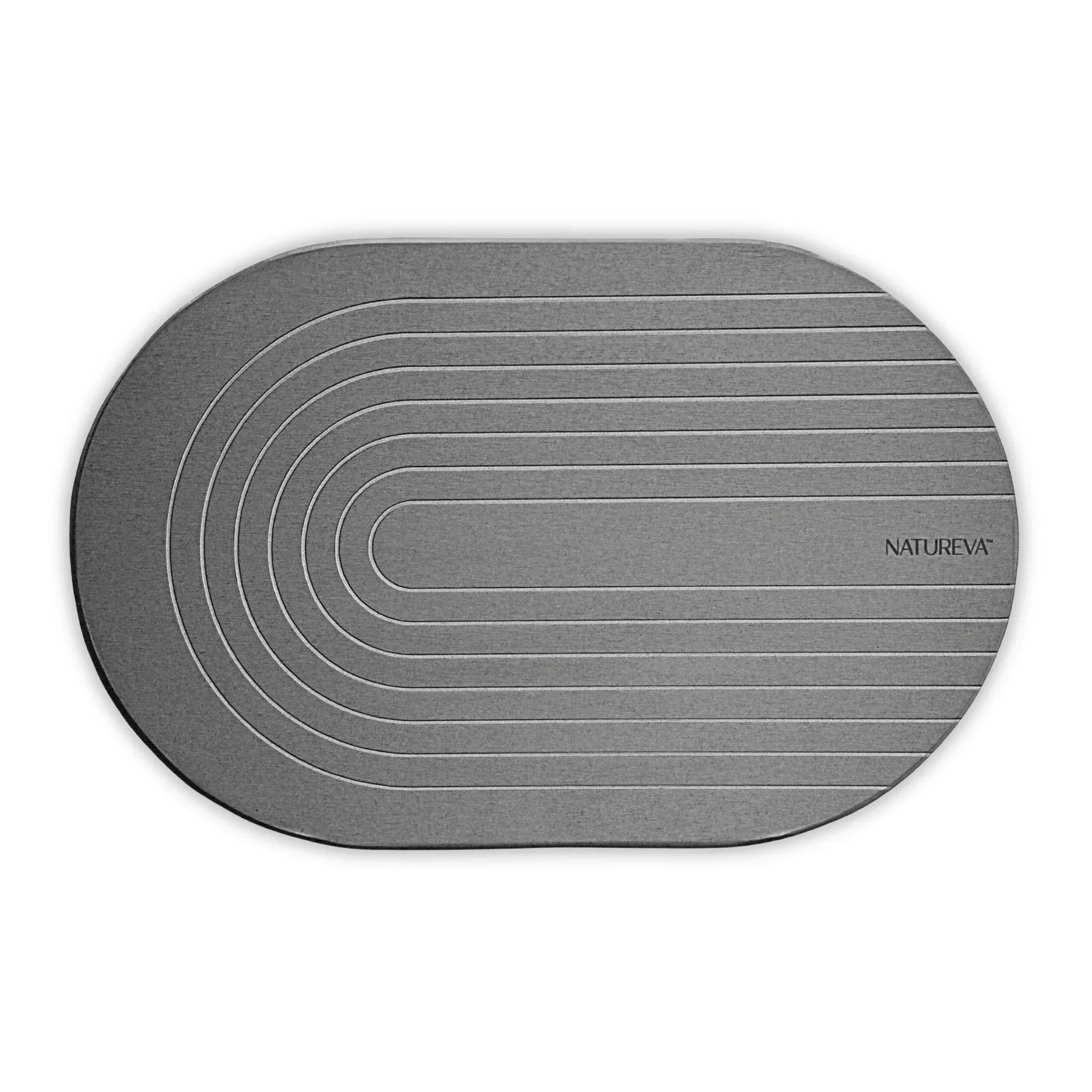
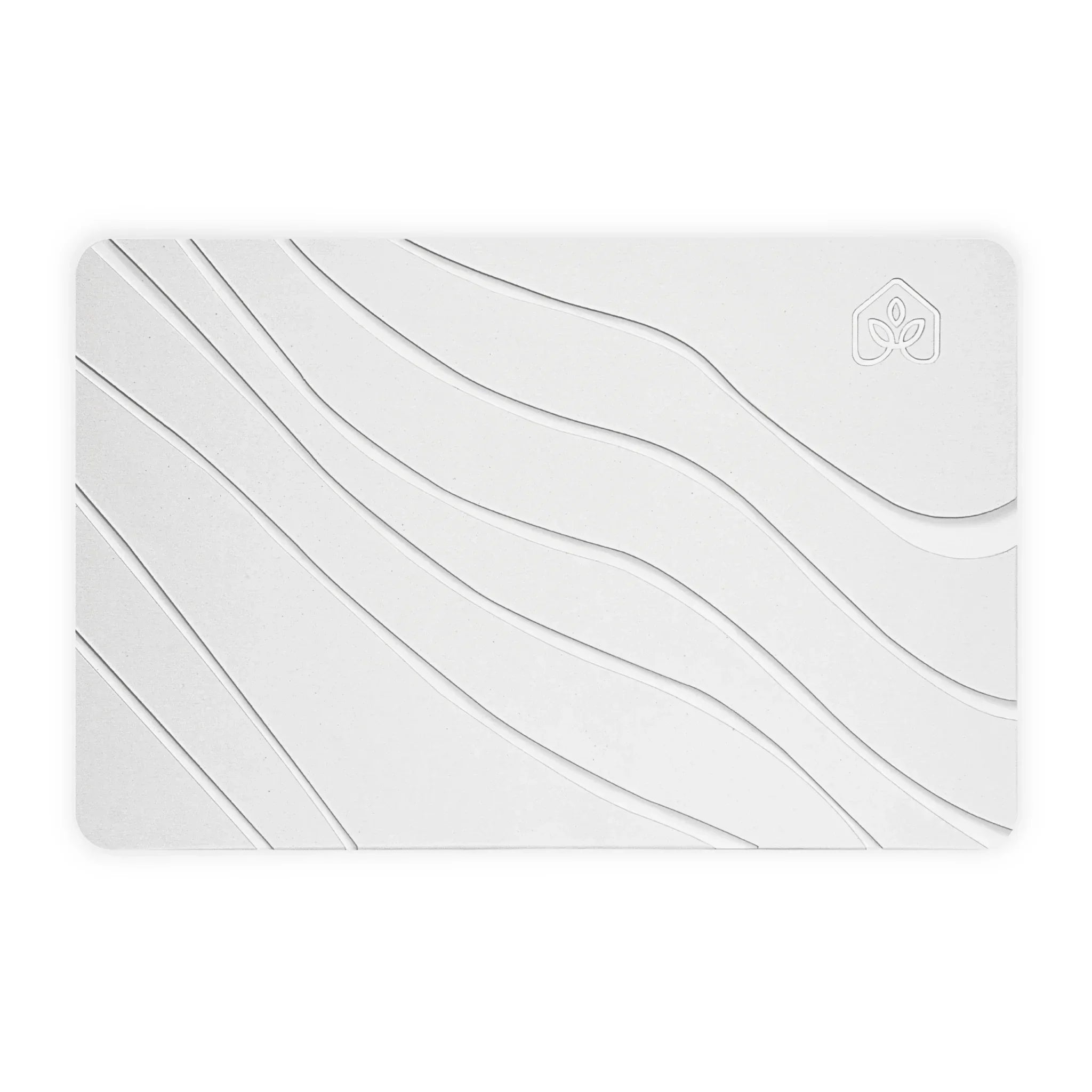
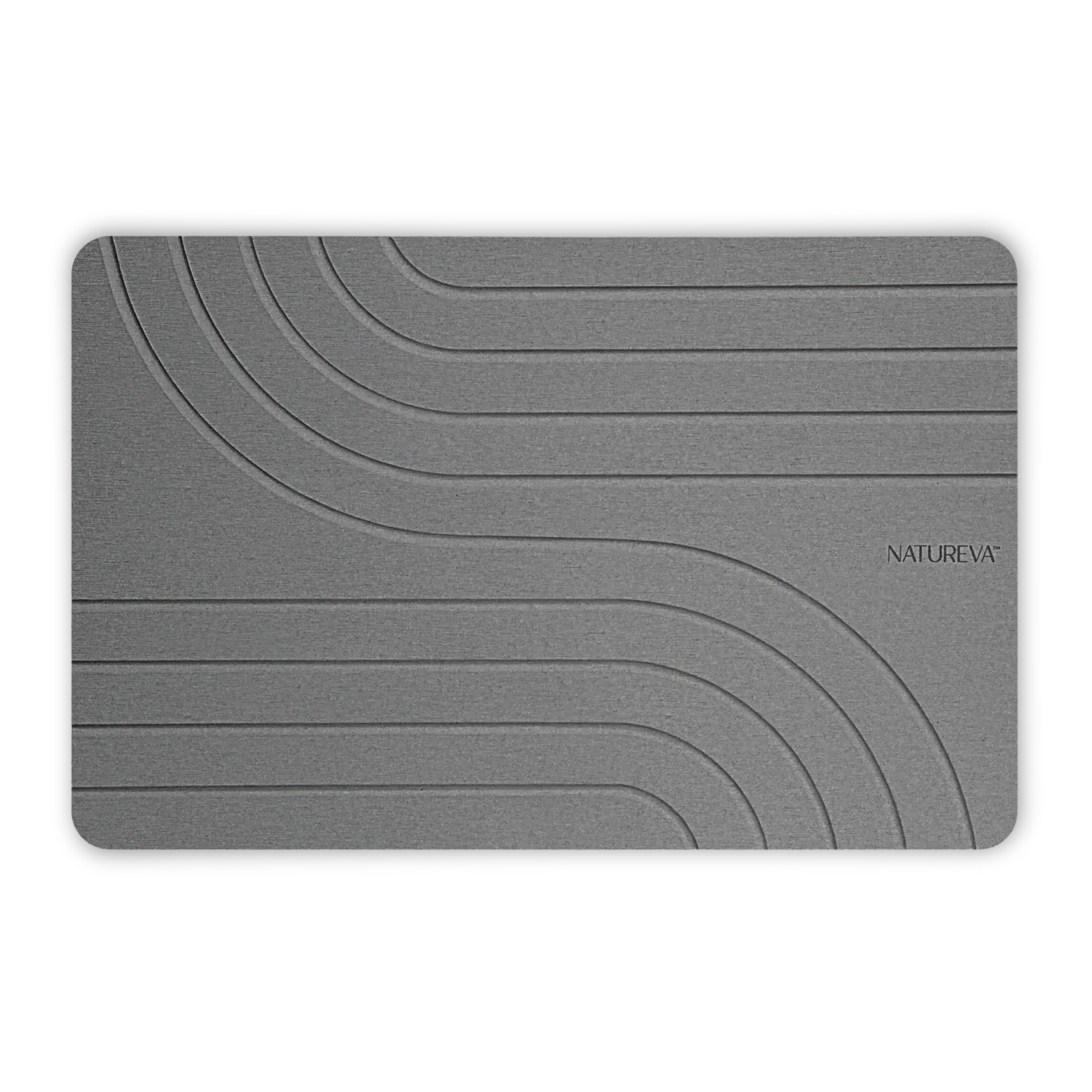
Tide carries a wave-like ridge pattern that gives it a soft, rolling texture. Arch has a bold, curved line cut into the stone, which reads more graphic and architectural than the other two. Rain uses a fine dotted surface meant to mimic raindrops, and that texture adds a bit more grip when feet are wet.
- Tide: wave-ripple pattern, $59
- Arch: curved-line pattern, $59
- Rain: dotted raindrop pattern, $59
All three run at the same price point, so the decision comes down to which pattern matches your bathroom and which texture you want under your feet. The Tide stone bath mat is a reasonable starting point if you want the most neutral look of the three.
Size and Absorbency Compared at a Glance
Tide, Arch, and Rain match each other on every performance number because they're cut from the same diatomite slab. Dimensions, weight capacity, and the amount of water each one can take on before pooling starts are identical across all three mats. That means the comparison here isn't about which one performs better, it's about confirming that none of them underperforms the others.
What does change is the surface finish, and that's listed separately from the numbers because it doesn't affect how the mat functions. A mat with a deeper pattern, like Arch's curved lines, can show water marks slightly differently than a flatter texture like Tide's, even though both dry at the same rate.
- Dimensions: identical across Tide, Arch, and Rain
- Weight capacity per use: identical across all three
- Absorbency before pooling: identical across all three
- Dry time: the same 30 seconds for every version
Since the specs don't separate the three mats, pick based on pattern and how it looks on your floor rather than worrying about one outperforming another.
The next generation of home essentials: naturally made, cleaner by design, sustainable by nature.
SHOP ALLWhy Absorbency Isn't the Same as Drying Speed
Absorbency and drying speed measure two different things, and mixing them up leads to confusion when shopping for a bath mat. Absorbency is how fast the stone's pores pull water in on contact, which depends on pore density in the diatomite. Drying speed is a separate step, it's how fast that absorbed water evaporates back out once it's inside the stone.
A mat can soak up a puddle in a second and still feel slightly cool or damp if the room has no airflow to help the moisture leave. Bathroom humidity and ventilation play a bigger role in how fast a mat actually feels dry than any difference between brands. A mat left in a closed, steamy bathroom will take longer to fully dry than the same mat in a room with a fan or cracked window.
- Absorbency: speed of water entering the stone's pores
- Drying speed: speed of water leaving the stone through evaporation
- Airflow: the biggest factor in how dry the mat feels after use
- Humidity: slows evaporation regardless of the mat's material
A vented bathroom will always get more out of a stone mat than a sealed, steamy one, no matter which brand sits on the floor.
Texture and Finish for Different Bathroom Looks
Tide, Arch, and Rain suit different bathroom styles because of how their surface patterns read visually, not because of any performance gap. Tide's rolling ripple texture fits coastal or spa-style bathrooms where a softer, more organic look works with the rest of the decor. Arch's straight, bold curves fit modern or minimalist spaces that already lean on clean lines and simple shapes.
Rain's dotted surface adds more texture contact under bare feet, which gives it slightly better grip than the smoother ripple of Tide. That raised dot pattern also tends to hide water spots and dust better than a flatter finish, since the texture breaks up the surface instead of showing a single smooth plane.
- Tide: best for coastal or spa-style rooms
- Arch: best for modern, minimalist rooms
- Rain: best for extra grip and texture underfoot
- Finish depth: affects how visible water marks and dust are over time
If grip and hidden wear matter more to you than the visual pattern, the Rain stone bath mat is worth a closer look over the other two finishes.
Matching the Mat to Your Bathroom and Household
A household with kids or more than one person showering daily should weight drying speed over looks, even though all three mats dry at the same rate. The real question for busy bathrooms is how fast water gets tracked onto the mat again before the last round finished evaporating, and a flatter finish like Tide shows less visible pooling between uses than a deeply textured one.
Small bathrooms need a tape measure before a style pick. Check the mat's footprint against the floor space in front of the shower or tub, and make sure the mat doesn't sit in the door swing where it could get kicked or caught on the door edge.
Tile and stone floors work with any of the three mats, since diatomite doesn't scratch or stain hard flooring. A heated bathroom floor changes the math a little: with radiant heat already pulling moisture out of the air near the floor, the mat has less work to do, so drying speed matters less and the surface pattern you like can move to the top of the list.
Once size and floor type are settled, style becomes the only variable left.
- Busy household, multiple showers a day: prioritize a flatter finish for easier visual drying checks
- Small bathroom with tight door clearance: measure footprint before choosing a pattern
- Heated floor: drying speed matters less, so pick the look you prefer
- Standard tile or stone floor: any of the three mats performs the same
If you've already ruled out size or floor issues, the Arch stone bath mat is worth a look for anyone leaning toward a cleaner, more graphic line than the other two finishes offer.
Grab a Tape Measure Before You Pick a Pattern
Pull out a tape measure and check the floor space in front of your shower or tub before you commit to a pattern. Every Natureva stone mat pulls water in and dries it out the same way, so there's no performance reason to pick one over another. Once you know the footprint fits, the choice is just about which surface you want under your feet, the ripple on Tide, the curved line on Arch, or the dotted grip on Rain. Pick the one that matches your bathroom's look, and stop there.
The next generation of home essentials: naturally made, cleaner by design, sustainable by nature.
SHOP ALLStone Bath Mat Questions Before You Buy
Can I put a diatomite mat on a heated bathroom floor?
Yes, a diatomite mat sits fine on heated floors. The radiant heat actually helps pull moisture out of the stone faster, so the mat has less work to do. There's no risk of the stone cracking or warping from floor heat, since diatomite handles temperature changes without any special coating or treatment.
Does the surface texture wear down over time?
The pattern cut into the stone doesn't smooth out with normal use. Diatomite is a hard, porous material, and foot traffic or water exposure doesn't erode the ridges on Tide, the curves on Arch, or the dots on Rain. What can happen over years of use is a dulling of the surface sheen, but the texture itself stays intact.
Do I need to seal or treat the stone at any point?
No sealing or treatment is needed. The stone's pores are what make it absorb and release water in the first place, so coating it with a sealant would block the exact feature you bought it for. A light scrub with a soft brush every few weeks is enough to keep the surface clean and working.
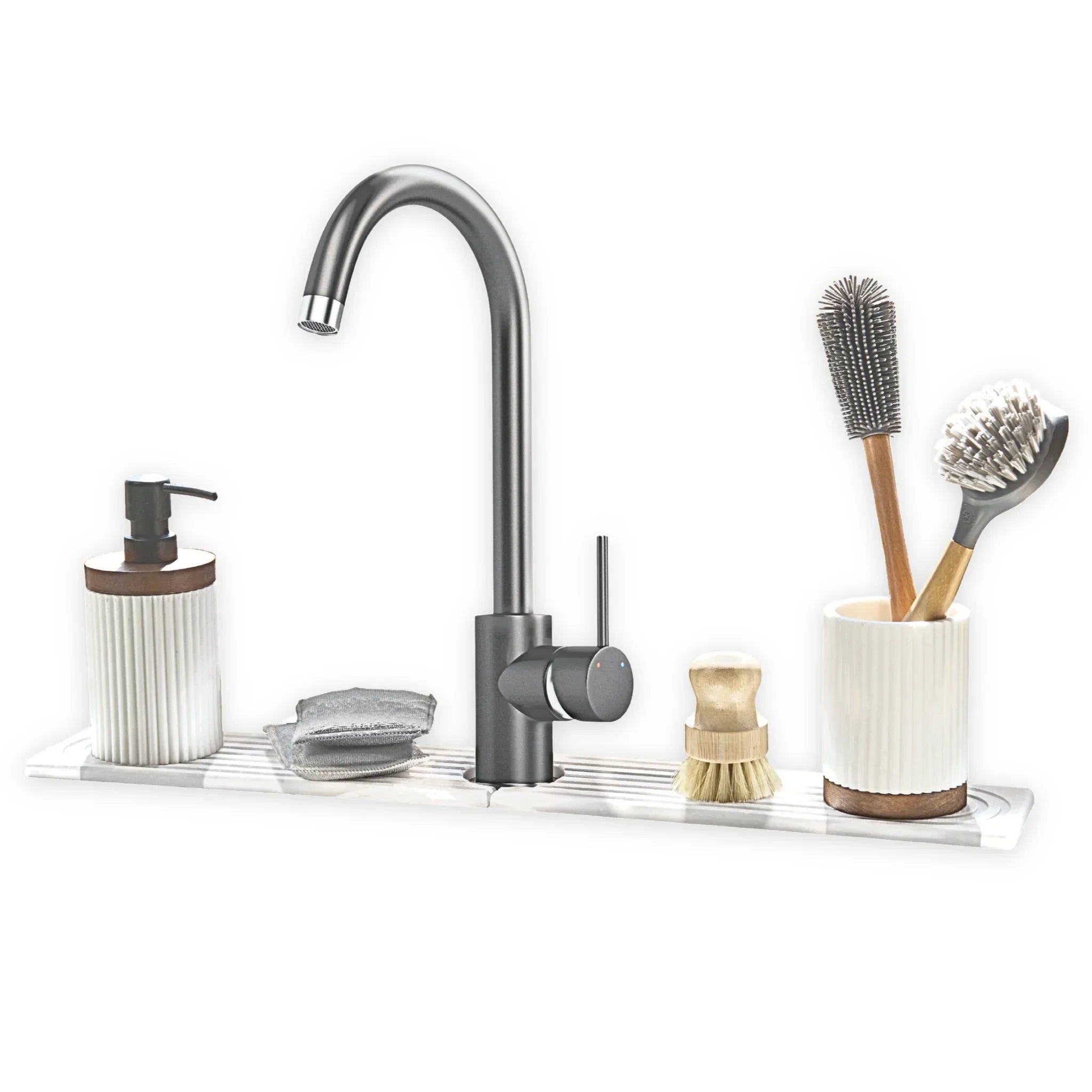
Can I use a stone bath mat outside the bathroom, like by a kitchen sink?
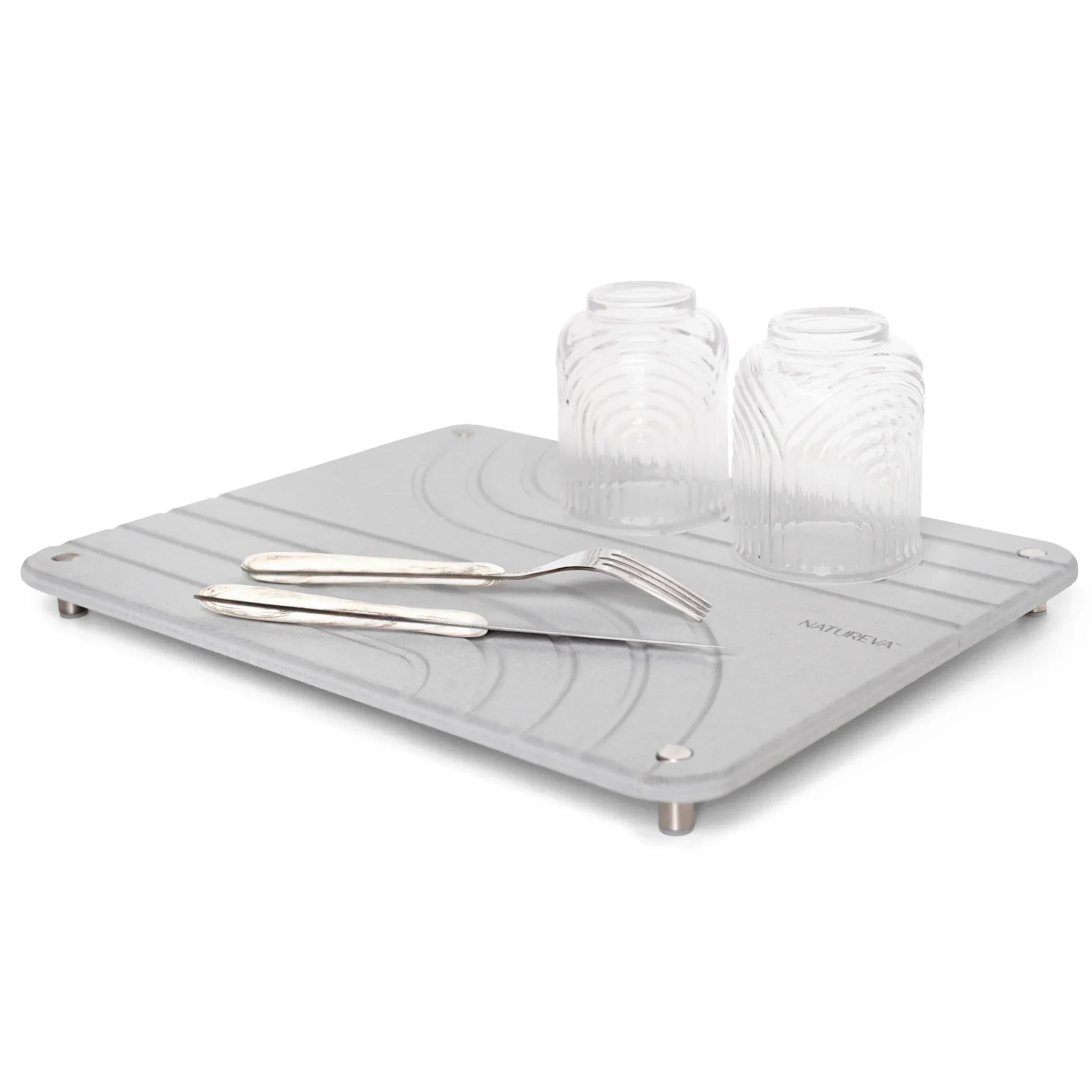
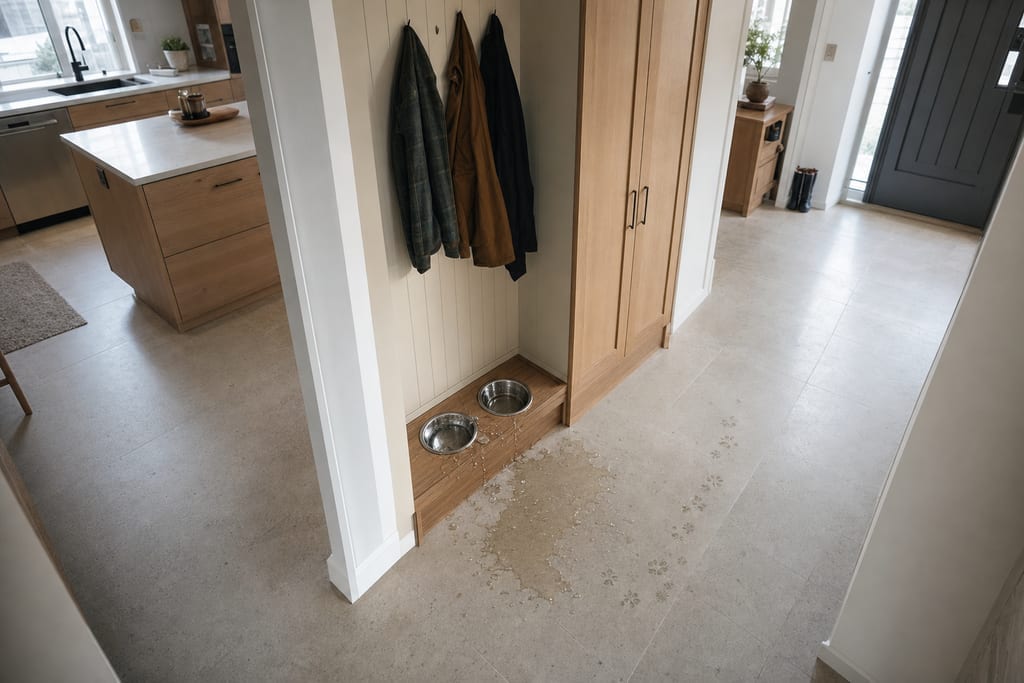
Yes, a diatomite mat works anywhere you deal with splashed water, not just in the bathroom. A kitchen sink, laundry room, or entryway during wet weather are all reasonable spots for it. Natureva's Tide, Arch, and Rain mats are built for bathroom floors, but the stone doesn't know the difference between shower splash and sink overflow.